These events and festival are deeply rooted to spiritual, cultural, and community values. Whether during festivals like Buddha Jayanti, monastery ceremonies, meditation retreats or community gatherings, hosting events requires careful understanding of Buddhists principles and values. Planners must plan the event considering visitors, venue management, and safety while also reflecting Buddhist theme.
In this blog, we explain key challenges that planners and event manager faces when planning Buddhist festival events. The key factor to consider for managing crowd, venue management, and safety are also explained.
Managing Large Crowds and Crowd Flow
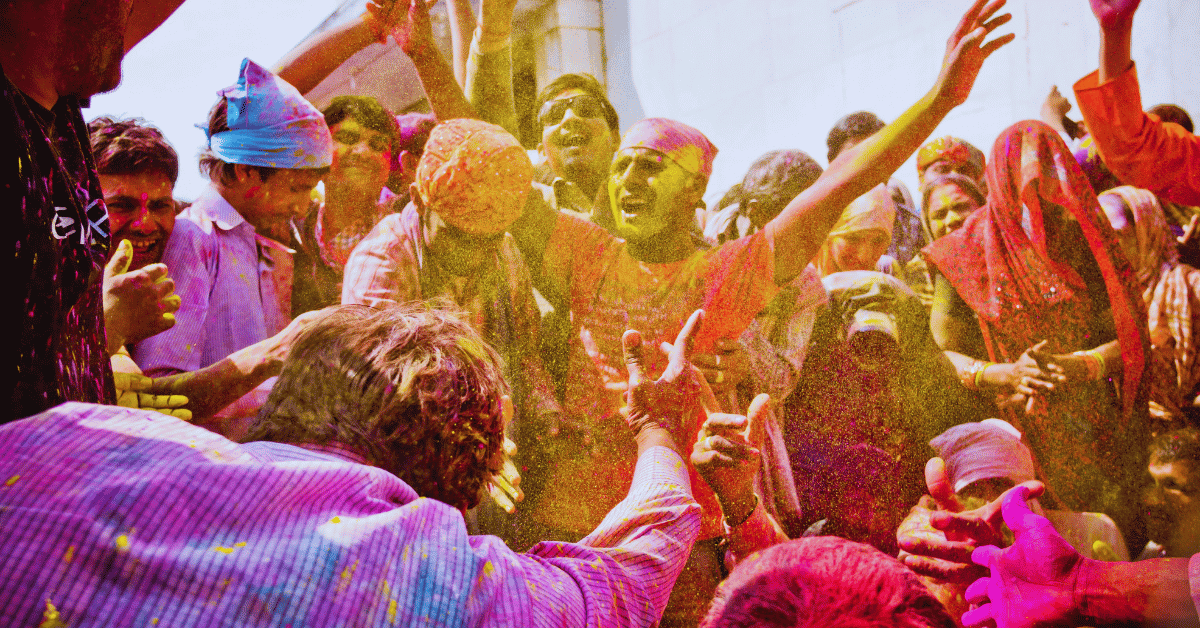
Religious festival crowd management is challenging and critically important matter for event planner to consider. The religious and spiritual events like Buddhist events and festivals, draws thousands for visitors and devotees during chanting, blessing, and procession sessions. And managing crowd during such events and sessions can be challenging due to congestion, slow movement and safety risks of guests and visitors. Managing unexpected during prayers, photo sessions, and offerings are even more difficult. The narrow pathways and area in the event venue further create bottlenecks which might lead to difficulties for children, women, elderly and visitors with disabilities.
Crowd control strategies
Crowd control strategy is crucial for ensuring smooth event management and safety of Buddhist events. It is crucial to plan and adopt effect crowd control strategy to minimize congestion or overcrowding of visitors in the venue. An effective strategy for managing crowd includes:
- Venue management: Manage venue to ensure it handles anticipated number of guest visits. Decorate the venue that aligns with Buddhists norms and principles.
- Risk assessment: Carry a detailed risk assessment process to recognize potential hazards and threats that may occur during the venue.
- Venue layout: Event planner and manager must strategically modify and design pathways, entry ways, and exist ways to prevent congestion and overcrowd during events like Buddhist festival. It includes use of physical barriers such as ropes, que lines, and markings to guide visitors and block movement in sensitive areas.
- Staffing and communication: Employ adequate personnel and experienced event handling staffs to manage the events. It is important to have effective communication system to guide visitors, inform individual in the venue, and deliver updates to attendees.
- Monitor: Monitoring the event is important to ensure every activity and programs during event is under control. Use technologies such as CCTV cameras to track and manage crowds.
Venue Management
While organizing Buddhist festival events, managing venue can be complicated and challenging as they use religious and sacred sites that are not designed to handle crowds. The limited space, narrow ways, and over crowd during the event may cause difficulty in navigation and maintaining peaceful environment. In addition to crowd management, managing amenities like drinking water, resting areas, and adequate restrooms can be challenging. Also, managing cleanliness and managing waste during the venue can be major issue due quick trash accumulations with presence of large number of visitors.
Venue Management Strategy
To prepare venue for religious festival safety, proper site inspections and risk assessment should be done. Event planners and managers must focus on risky areas, narrow spaces, and prioritize setting emergency exit requirements. According to finding of inspection, creation of clear layout, pathways, and emergency routes must be done.
When installing temporary structures, event planner must ensure they are safe, appropriate, and aligns with event theme and values. Basic amenities such as portable restrooms, drinking water, handwashing area, and resting area must be placed and well-marked with signs.
Challenges in Safety, Security and Emergency Readiness
Ensuring safety, security, and being ready in emergency situation is key challenge in organizing Buddhist festival events. With hundreds and thousands of visitors, event planner must deal with issues such as congestion, fatigue, exhaustion, and dehydrations. The risk of fire, electrical hazards, and safety of personal belonging of visitors is high. In addition, the risk of unauthorized access can also pose safety and security threats.
Managing safety and security challenge
To deal with safety and security challenge, emergency readiness by planning clear emergency response plan is important. It includes:
- Setting emergency exists and evacuation routes
- Setting medical and first aid station
- Coordination with security personnel and police
- Assign trained personal and volunteers to deal with issue and potential risks
- Using technologies such as CCTV surveillance and communication gadget to monitor crowd
Conclusion
Organizing Buddhist festival events requires crowd management, venue management, and adherence to safety protocols along with consideration of Buddhist culture, principal, and values. Through implementing proper crowd management strategies, venue planning, and proper emergency response procedure, Buddhist festivals can be concluded smoothly and safety. For organizing Buddhist festival events or any other religious festivals and events, contact Everest Ad. & Event Management. Everest Ad. & Event Management offers professional planning and managing any kinds of events to ensure safety and success.